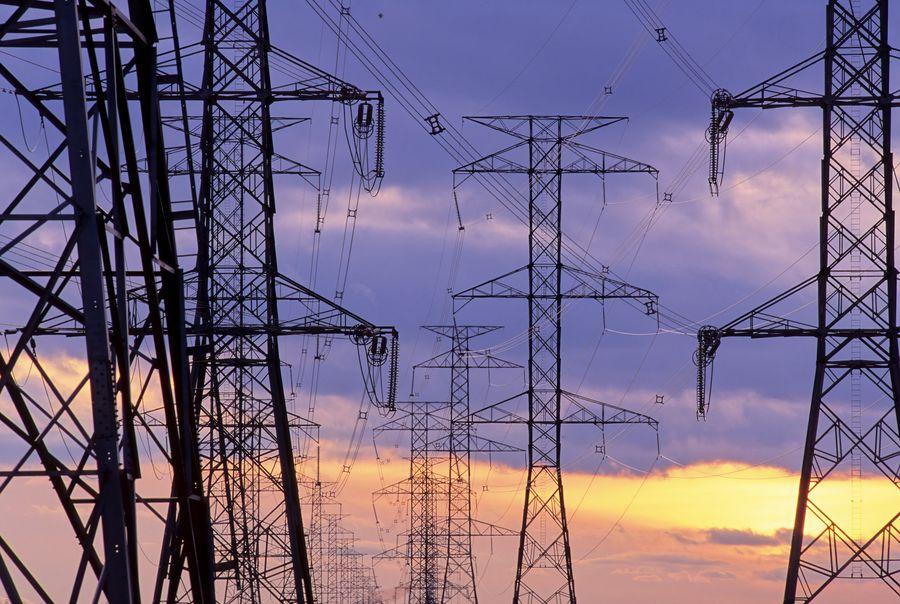
Photo: Wikimedia Commons
The grid is beautiful, and its future is ours to build.
Working with developers, governments, Indigenous organizations, and non-profits, Philip Duguay will marshal experience and a deep network to instill cross-cutting solutions to some of the most complex electricity transmission infrastructure development and policy issues of our time.
Problem Statement
A century of growth, no master plan.
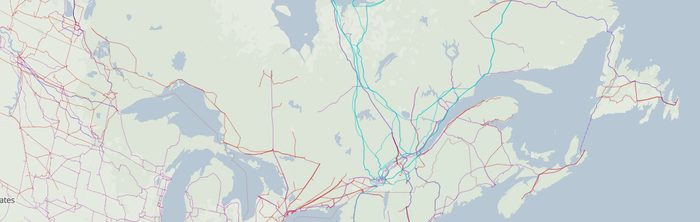
The North American electric grid is the largest machine created in the history of humankind. Its development largely unfolded in an organic fashion, without a master planner. Over a century, diverse organizations connected centralized, "conventional" generating fleets with large industrial consumers and urban demand centres, as well as the most rural of electric cooperatives.
Over the last decade or so, utilities and governments have been caught flat-footed as new technologies — from offshore wind to demand-side aggregation — have challenged business models and regulatory orthodoxies.
Customers — from individual homeowners to hyperscaler data centres — also wish to generate their own energy. At the same time, aging poles and wires are often in dire need of replacement.
Climate change has also prompted how we see our grid. A new focus on renewable energy means we need to shift the orientation of the grid towards the windiest and sunniest areas of our country — which are not always proximate to load centres. "Known unknowns," such as the pace of electrification, the increasing occurrence of catastrophic weather events, or the cost of production for new technologies such as small modular reactors versus more localized distributed energy resources, risk leaving investors and planners stuck at a fork in the road.
These trends are increasingly forcing balancing authorities to conduct planning and procurement processes "across seams" in an interregional manner, both to co-manage risk and hopefully, share in the future benefits of clean energy trade. Likewise, transmission developers are looking at the map, devising ways to better integrate provincial grids and deploy their capital.
Canada's role in the North American grid is vital, but our approach to planning and development can be byzantine and balkanized. We do not maximize the potential of transmission technology, especially our high voltage direct current (HVDC) know-how.
Reams of data from industry associations, academic researchers and governments point to a general recognition of the importance of interregional transmission. It's now time to ascribe a concrete value to this resource and turn the gaps between the provinces into clean energy highways — the Canadian supergrid.
Solutions
From the cocktail napkin to notice-to-proceed.
I specialize in the delivery of early-phase project development services and policy work, specifically:
Project origination
Prefeasibility assessments and business case development.
Government & regulatory affairs
Mandates spanning federal, provincial, and cross-border regulatory processes.
Sector networking & engagement
For new entrants, plus proposal and grant writing.
Communications & stakeholder relations
Public and stakeholder relations, event coordination.
Team building
Recruitment of personnel and project launch.
I can either work independently or muster a continental network of independent professionals and top-tier, high value technical firms to collaborate with your team — from the cocktail napkin stage to tweaking your pro-forma in advance of financing.
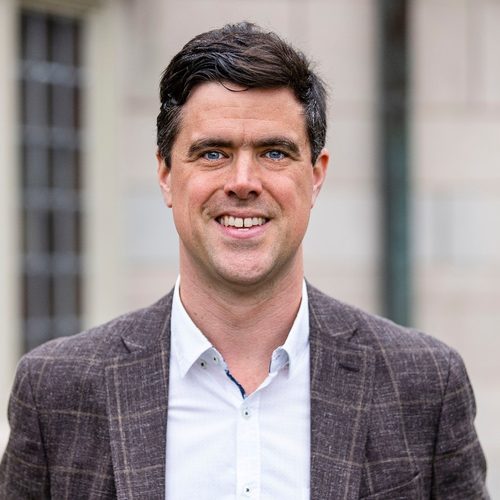

About the Principal, Philip Duguay
15 years focused on interregional transmission development.
I have spent the last 15 years focused on the public policy, development and commercial matters of high voltage transmission development — working with companies, communities, Indigenous organizations, and various levels of government from the Northwest Territories to Texas, and from New England to British Columbia. In particular, I am focused on the development of large-scale, high voltage direct current (HVDC) transmission projects.
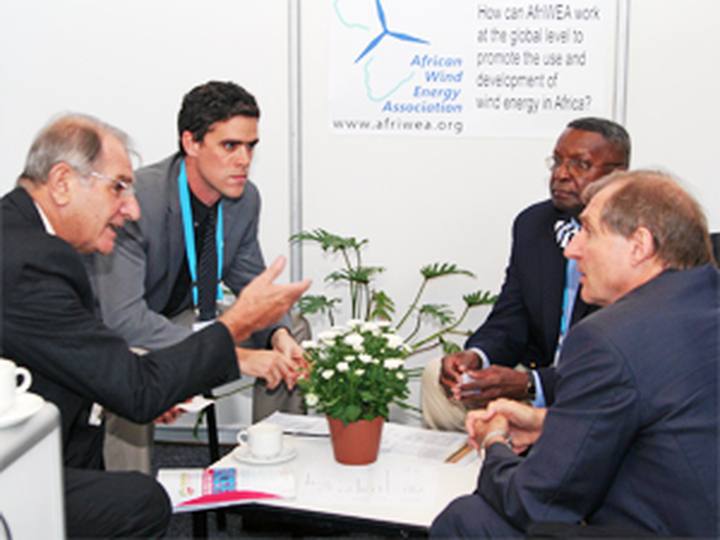
My energy career started on a pier in Cape Town, South Africa in early 2010, where as a law student interviewing for an internship, I explained my interest in regulated industries and the energy transition to the developer of the first utility-scale wind farm in sub-Saharan Africa, Hermann Oelsner.
"Well good, because none of my real problems are technical. All of my problems are legal, social and political," said Oelsner.
A light bulb went off! I have been working as a generalist-strategist with engineers and other technical thought-leaders ever since. A brief stint with a global wind energy developer in Montréal propelled me to energy policy roles with the Government of the Northwest Territories in Yellowknife, then with the Government of Québec in Boston. Since then, I have worked with two leading HVDC developers, as well as with non-profits on grid advocacy campaigns.
Working from an old industrial building in Montréal — not far from where my grandfather used to pick up coal on the railroad tracks as a destitute child in Saint-Henri — I operate with humility and a reverence for the innovation and physical labour it took to build our continental grid. My deepest concern is that we, as a society, fail to understand the shared, overlapping jurisdiction we have over the grid, and the collective responsibility we have to act to improve upon the feats of our electrical fore-bearers.
Scrapbook
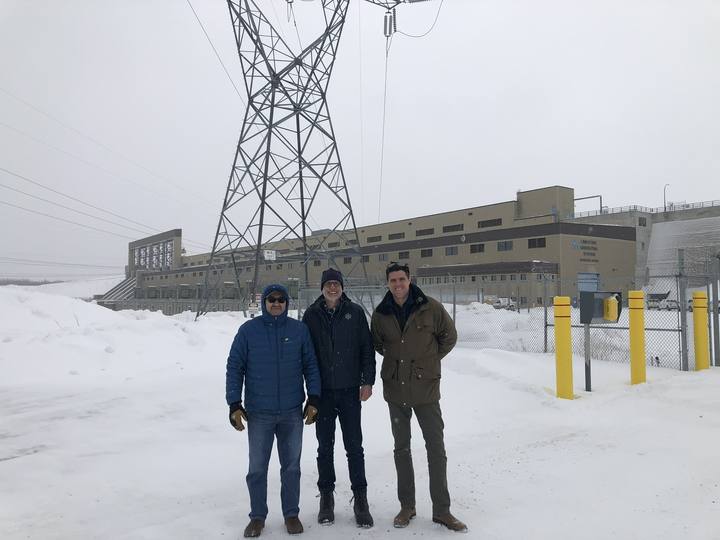
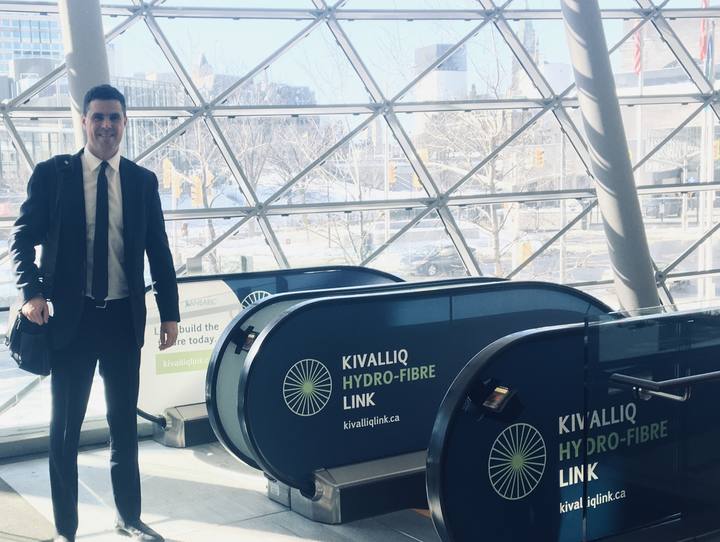
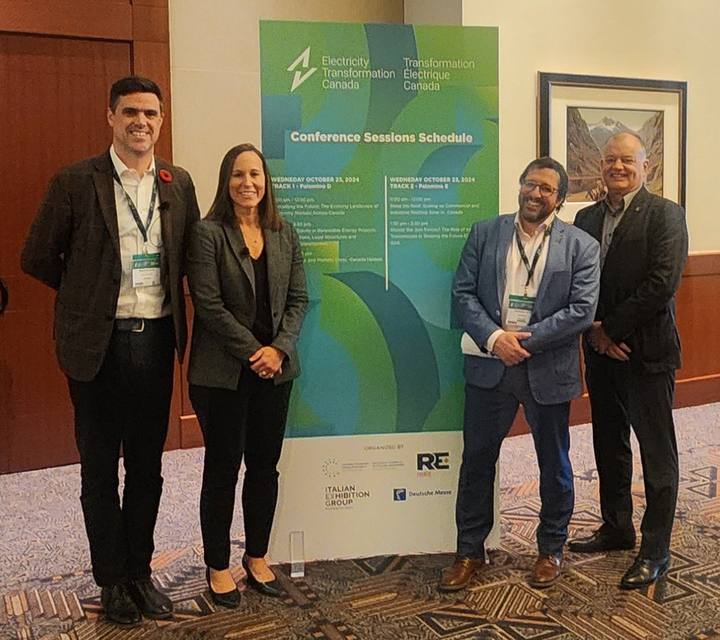
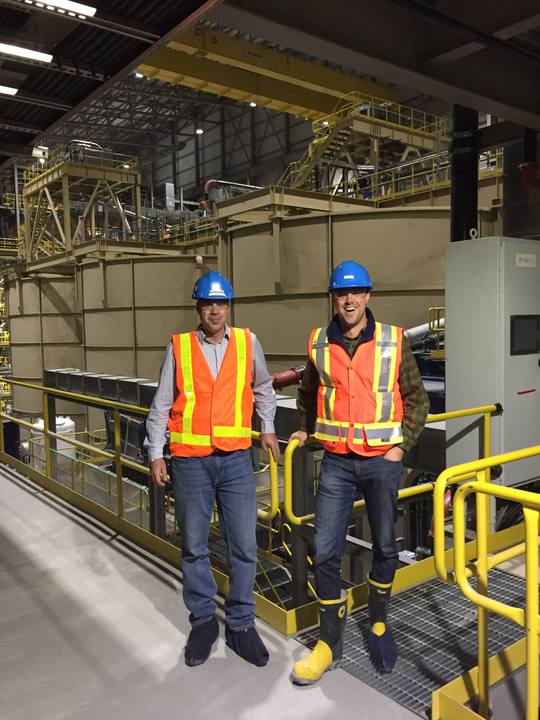
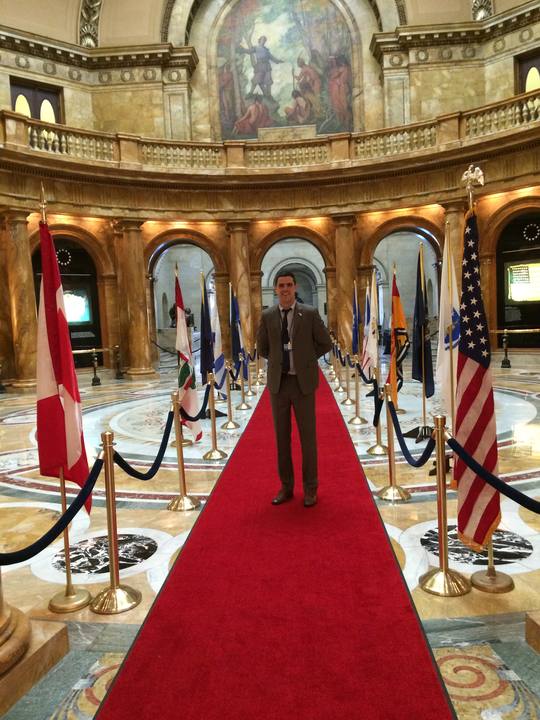
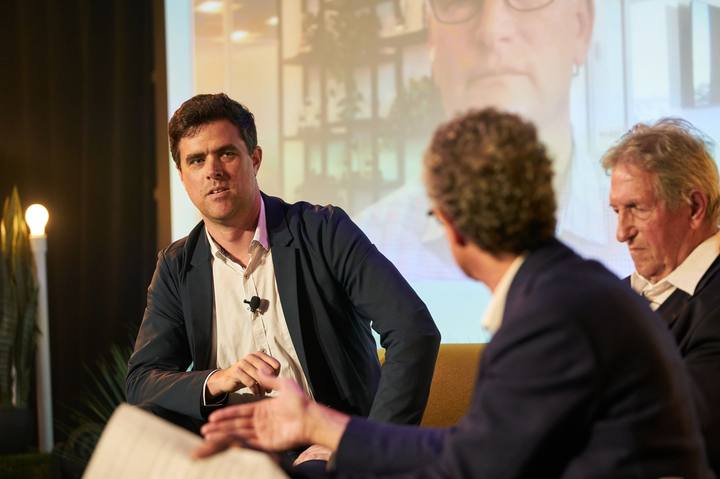
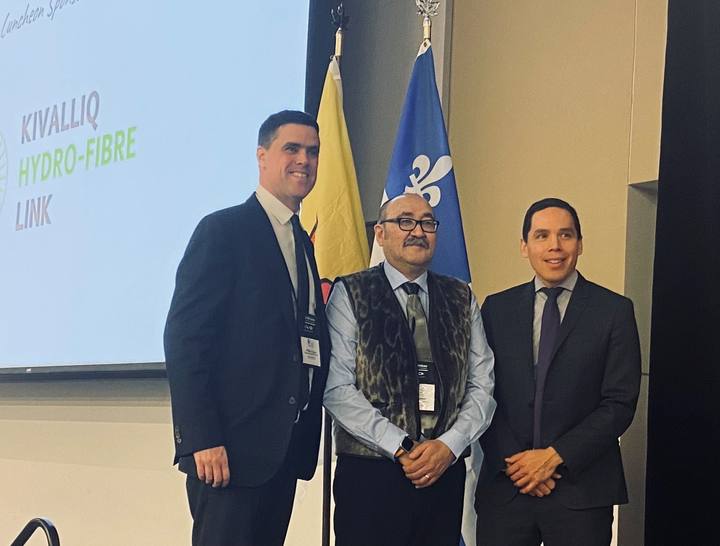
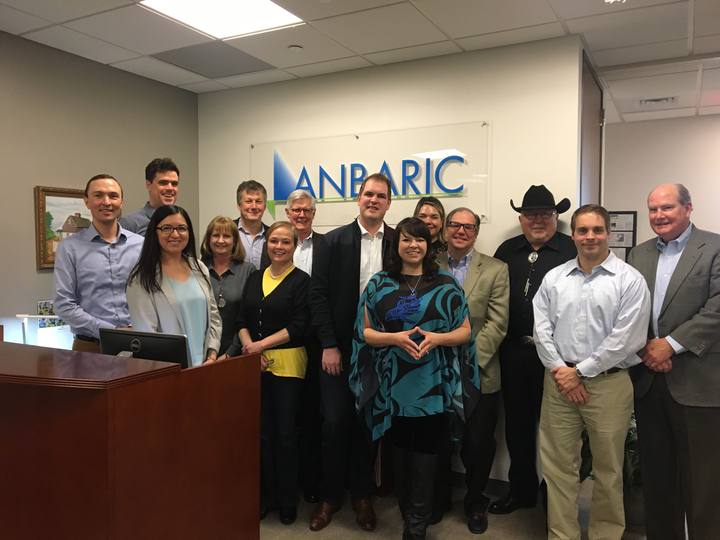
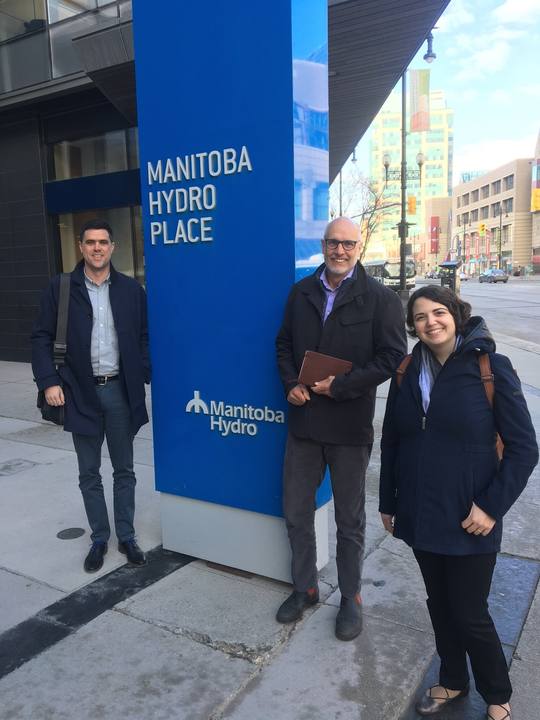
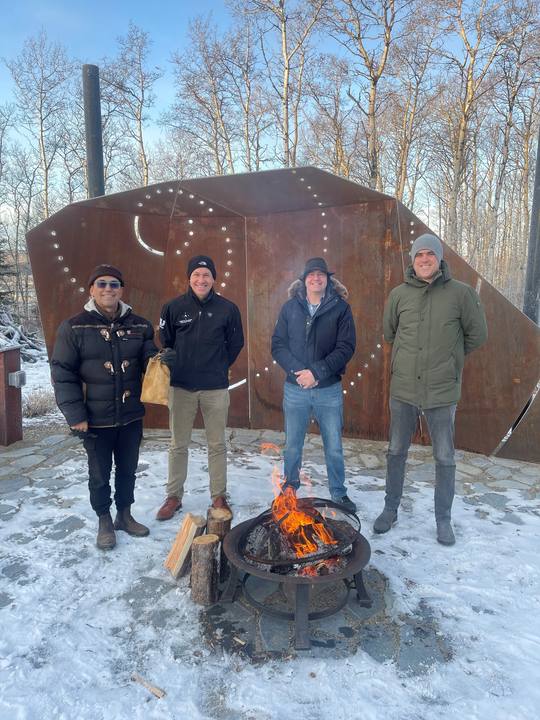
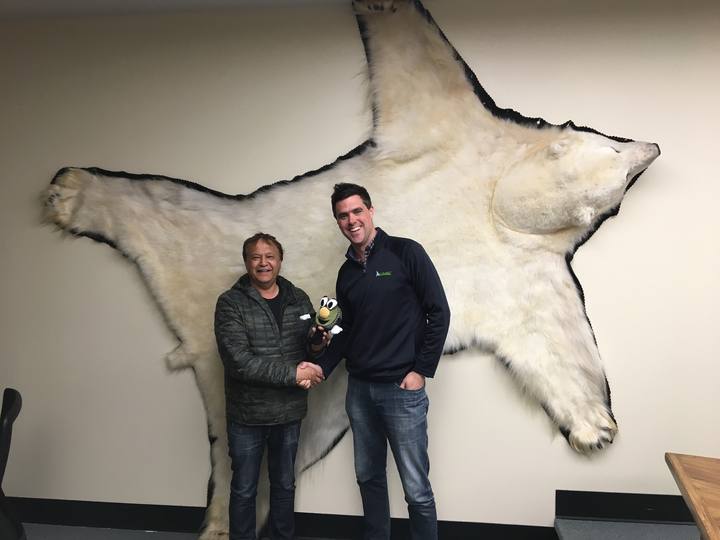
Relationships power the grid.


Montréal, QC H4C 3C5, Canada
Email Click to reveal email
Connect LinkedIn — Philip Martin Duguay